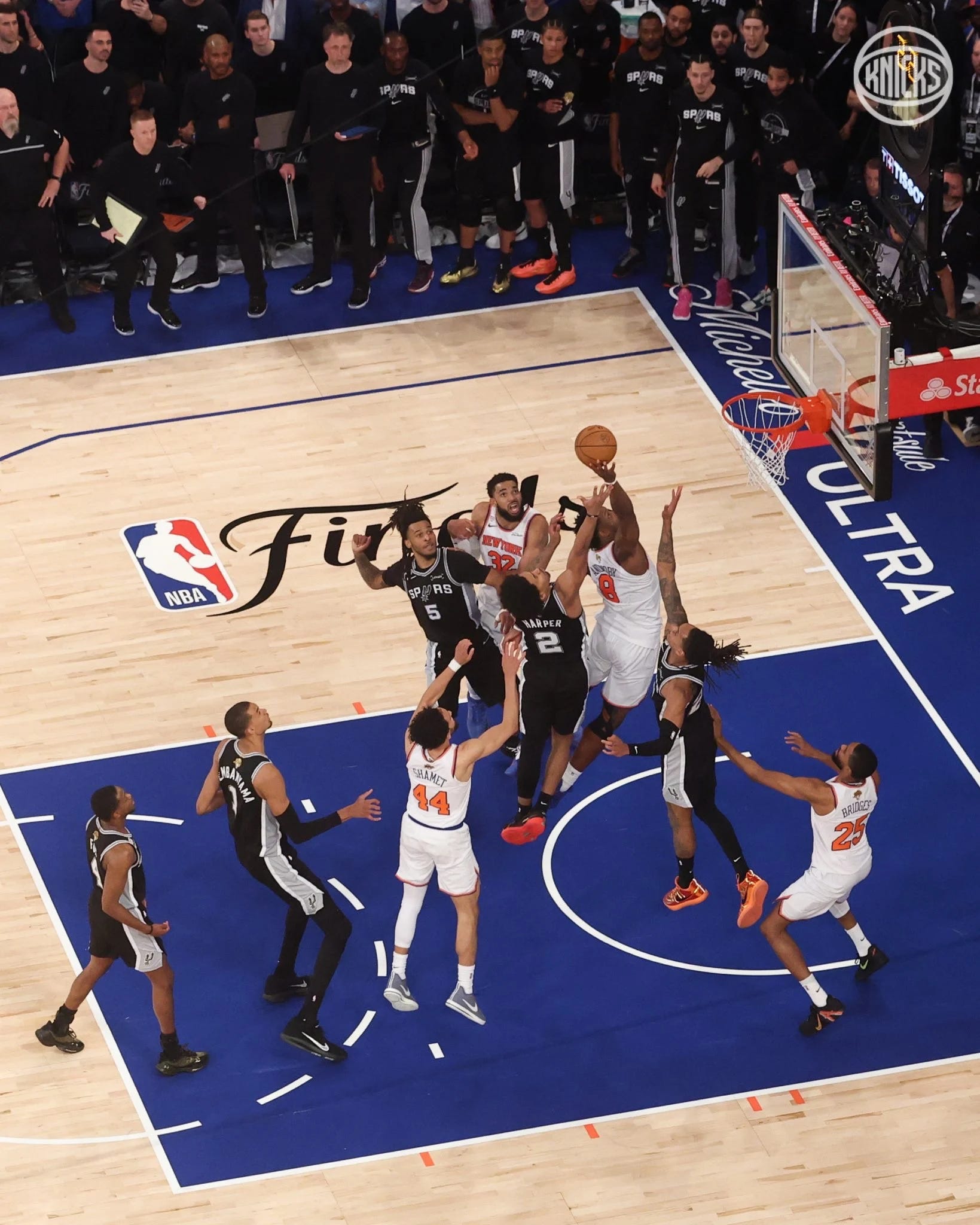
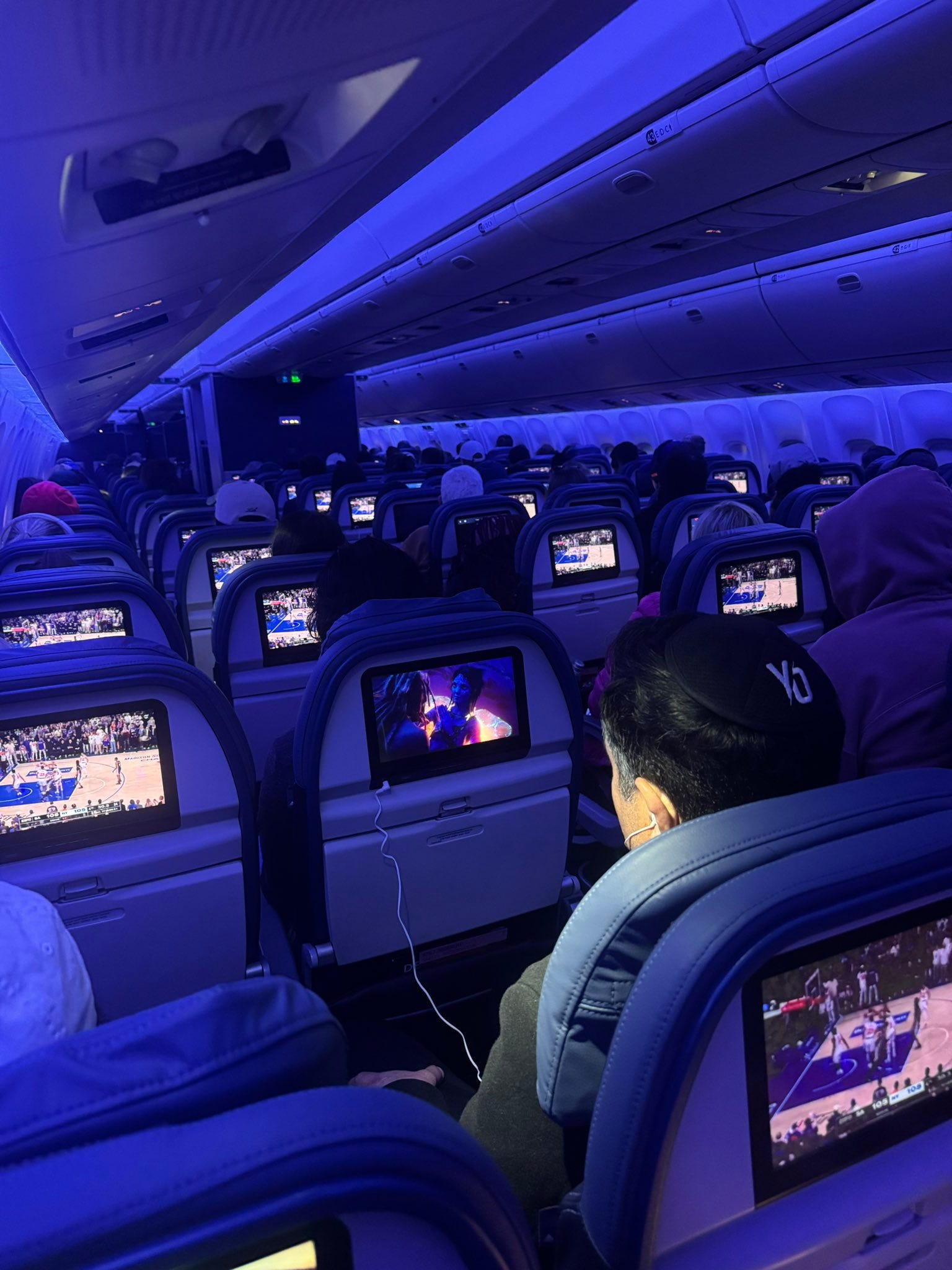
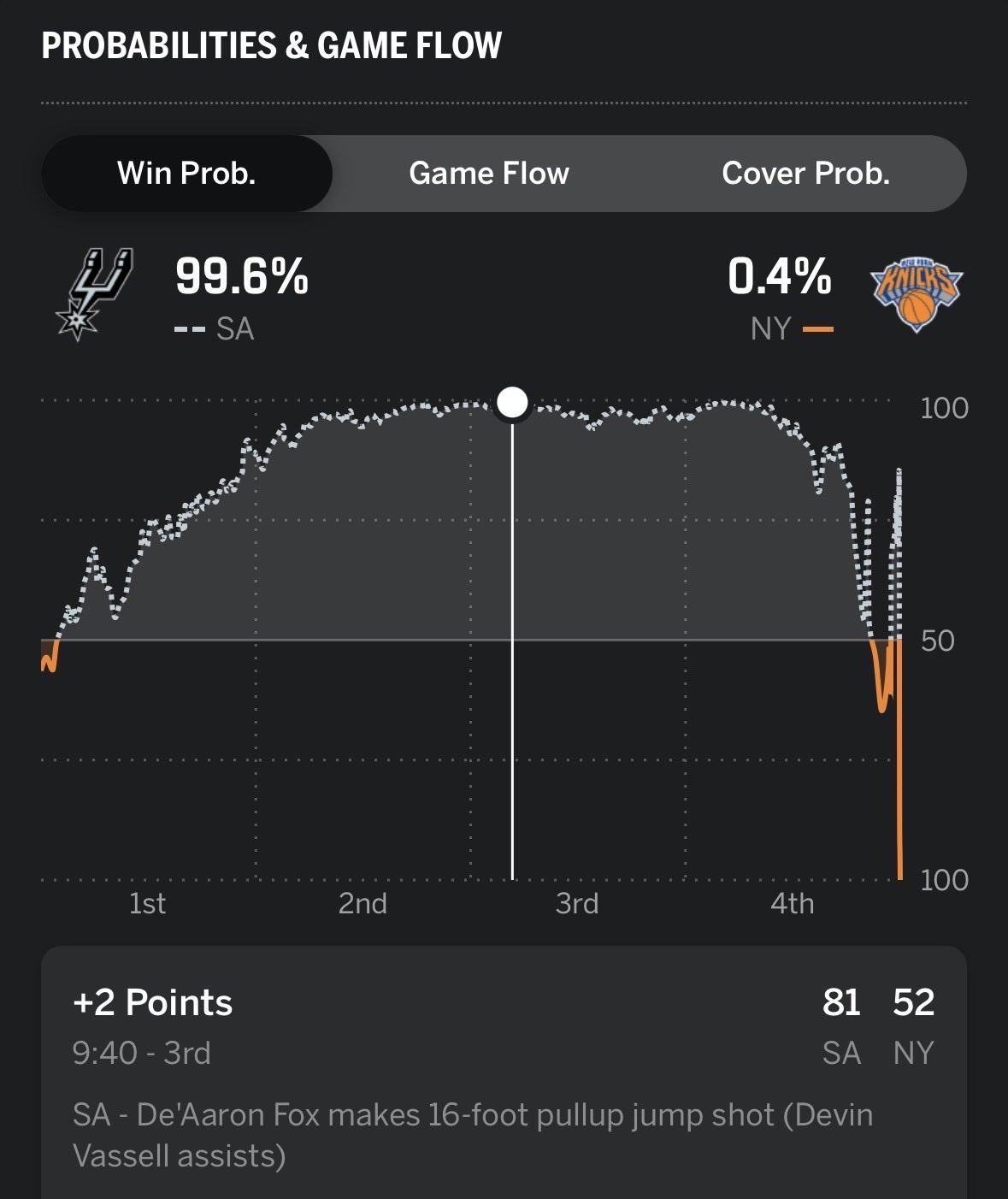
Good morning. I’m still coming down from the Knicks’ historic 29-point Game 4 comeback on Thursday night. Ben Stiller has clearly honed his cinematography skills after directing a bunch of episodes of Severance: see his beautiful footage of the game’s final seconds captured from his courtside seat.
In other news this week: what happens when AI makes it easier than ever to ship software? Why does Netflix need 36,000 categories to help people find something to watch? And why are power users already looking beyond the AI tools everyone else gets by default?
Let’s get into it…
The number of apps released in the App Store have more than doubled this past quarter. Add the App Store to the long list of platforms that have seen meteoric supply side growth coinciding with the AI boom. See also: GitHub, the software development platform, is preparing for 30X growth after quickly realizing that their estimate of 10X was far too low back in February.
Netflix will continue to use AI to help customers find stuff to watch amongst all the noise. AI content creation hasn’t yet seen widespread adoption in the film and TV industry. I’m sure Netflix anticipates its supply of content to grow even more in the coming years. Netflix has the added benefit of being closed, so Joe Schmo can’t yet upload his homemade summer blockbuster with the click of a button. He still has to go to YouTube for that. Netflix has long understood that finely tuned curation systems are key to keeping users engaged and subscribed month after month. As I covered previously, Netflix has a total of 36,000 category codes to help make sense of all their content. This includes categories like K-Dramas for Beginners (Code 2953105), Small Town Charm (Code 81615585), and Binge-Worthy British Crime TV Shows (Code 1192582). What does this mean for the future? Expect content providers, from movie production companies to individual YouTubers, to continue to “niche down” and embrace hyper-specific subgenres (see Backrooms). Content made for ‘everyone’ but no one in particular is at risk of never breaking through. For those of you following the video game industry closely, and Steam in particular, this phenomenon will be familiar.
In more Netflix news, the streamer says it has accepted that they won’t work with filmmakers who want theatrical releases. YouTubers are graduating to the big screen, as I covered last week, but Netflix isn’t changing their tune on theatrical releases. Dan Lin, chairman of Netflix film, said that Greta Gerwig’s upcoming Narnia will be the exception and doesn’t hint at a broader strategic shift.
Yet another YouTuber is making their way to the theater. The animated series The Amazing Digital Circus debuted on Netflix and is being shown across 2,230 screens worldwide this week. The series was created by self-taught animator Gooseworx who got his start on YouTube and has over 2 million subscribers. The difference between Netflix and YouTube, obviously, is that the former is a closed ecosystem in which distribution rights are negotiated, whereas the latter relies on audience lock-in—a creator on YouTube can’t move their subscribers off of the platform and onto another one. Neither, for that matter, has much incentive for theatrical releases, other than reminding potential subscribers that they exist.
A compelling profile on MrBeast’s former short form video soothsayer Rohan Kumar. Highlights include: he never promises results like “500K followers in six months” saying “You can’t guarantee stuff like that. It’s all up to the algo gods.” As the profile describes, he is constantly sliding into people’s DMs, both collaborators and companies, saying “closed mouths don’t get fed.” Kumar’s success comes from a combination of “knowing a guy” for just about everything and, as his 𝕏 bio describes, being a “professional internet surfer.” — “He didn’t study consumer trends in college, but by scrolling memes for 10 years, he has a reference for every client campaign.”
Jasmine Sun feels similarly about the importance of “knowing a guy” in her recent post covering career advice for new grads in the AI age. Sun, who previously worked at Substack and is now a freelance journalist, says “Relationships are how you’ll escape the hellfire of a thousand-person LinkedIn resume stack. Relationships are how you earn the trust to make the sale, because even the biggest rationality bros are vibes-based decision-makers.”
Claude Fable, Anthropic’s watered-down version of their Mythos model which they deemed too powerful to release to the general public, launched on Tuesday. Anthropic CEO Dario Amodei has been on a years long campaign preaching the dangers of an AI takeover since he was at OpenAI and GPT-2 was similarly deemed too dangerous to release in 2019. GPT-2 was, of course, released later that year and turned out to be… fine? It’s difficult to see Amodei’s efforts as anything other than a play for regulatory capture as Anthropic continues to struggle to gather enough compute to meet demand. Quickly after Fable’s release, it was discovered that Anthropic was silently nerfing queries related to “frontier AI development.” It has since walked this policy back. What does all this mean? For the hardcore users, I think we’ll see a growing interest in local models paired with custom hardware like Truffle, tinybox or the Nvidia AI PC, and the emergence of more open source companies like Prime Intellect and Nous Research. The most hardcore might even train their own models as YouTuber PewDiePie did. The general rule of thumb is that open source models lag 6 months behind releases from the major labs. And what about everyday users? They’ll just stick with whatever Apple or Google provides out of the box.
Images I saved