
The central premise of Steven Spielberg’s Disclosure Day is that aliens exist, but covert government forces are hiding the truth because they believe the public can’t handle it. Wardex, the extra-governmental agency at the center of the movie, believes society would fall into ruin if it learned that alien life is real and that the government has been hiding evidence of it for decades. The main character sees Wardex as evil and paternalistic, and takes it as his duty to disclose the truth to the world.
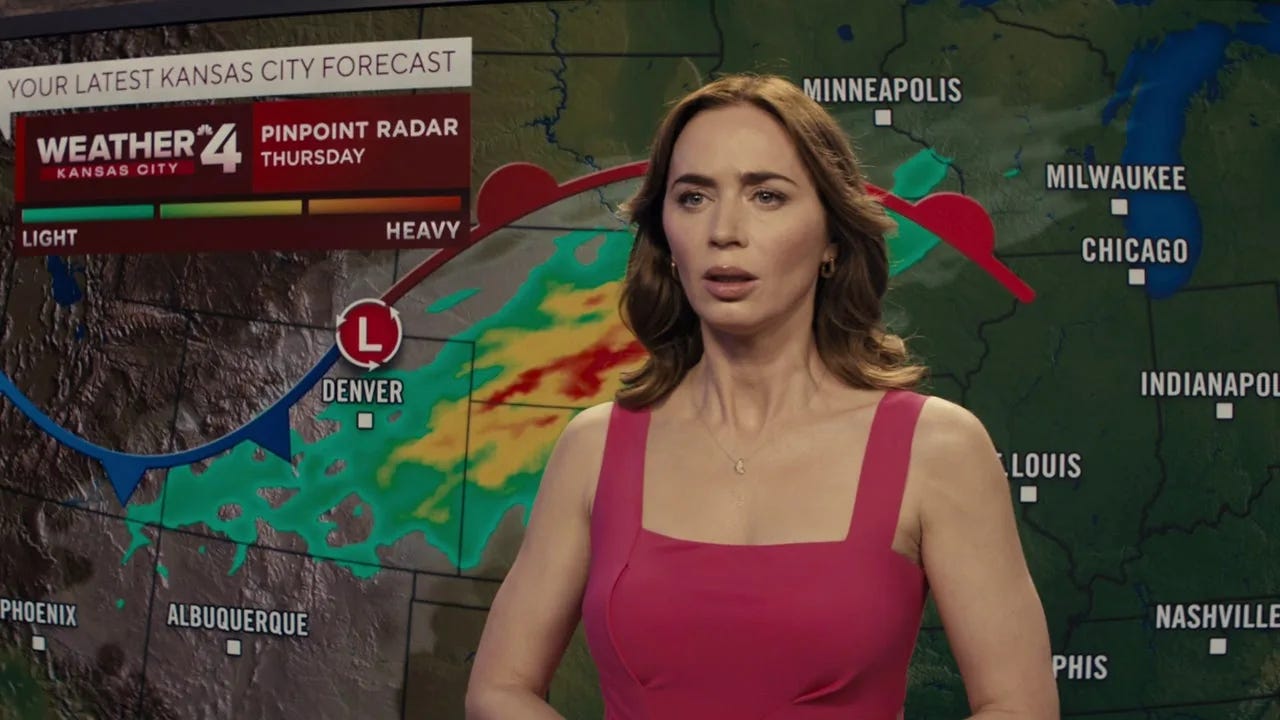
For the alien conspiracy-curious and ufologists among us, this plot will sound all too familiar. Ever since the 2017 New York Times article on the Pentagon’s UFO program, there has been a renewed and widely publicized discussion around the possibility of disclosure: the day when the world’s governments finally admit what they’ve long known about non-human intelligence and release a trove of previously classified evidence.
While premiering a trailer for Disclosure Day, Spielberg commented:
“I used to say to myself, ‘Wouldn’t it be wonderful if all of this turned out to be true?’ I now say to myself, ‘All of this is true.’”
So aliens are real.1 What exactly are we waiting for? Why isn’t everyone freaking out? I think it has something to do with how difficult it is to metabolize reality-shifting information. Miracles are happening all around us every day. SpaceX is catching rockets out of the sky. We’re walking around with supercomputers in our pockets. AI is solving previously unsolvable math problems. We’re watching astronauts livestream from deep space as they journey to the far side of the Moon. We are constantly confronted with information that should completely rearrange our sense of reality. How do we process it all? And what do we do next?
In a TED Talk, famed climber Alex Honnold tells the story of two of his most famous climbs, beginning with Half Dome in Yosemite National Park. Half Dome has two distinct sides: one features a popular hiking trail that can be completed by an average but prepared hiker in about a day. The other, the Northwest Face, is a nearly vertical 2,000-foot wall and a popular route for advanced climbers. In 2008, Honnold became the first person to climb the route free solo, completely alone without ropes or protective gear. Upon reaching the summit, he planned to descend the normal hiking route on the other side. He recalls pulling himself over the edge of the wall, finding himself among a group of ordinary hikers who were completely unaware of what he had just done:
Normally when you summit Half Dome, you have a rope and a bunch of climbing gear on you. And tourists gasp and they flock around you for photos. This time, I popped over the edge shirtless, panting, jacked, I was amped, but nobody batted an eye. I looked like a lost hiker that was too close to the edge. I was surrounded by people talking on cell phones and having picnics. I felt like I was in a mall. I took off my tight climbing shoes and started hiking back down. And that’s when people stopped me: ‘You’re hiking barefoot, that’s so hardcore.’ I didn’t bother to explain.


There is a phenomenon among astronauts called the Overview Effect. The term was coined by author Frank White after interviewing astronauts about the transformative effects of seeing Earth from space. White says: “Astronauts who witness Earth from this perspective first-hand often report an intense state of self-transcendent awe and wonder.” White describes the experience further on NASA’s podcast:
I suppose one of the most important insights was that if we want people to understand the overview effect in a way that will lead to changes in their behavior, we have to have them experience it. Now, it’s like Zen Buddhism. If you know anything about Zen Buddhism, every Zen master will say, Zen is beyond words. And then they proceed to talk about it. Or they write books about it. So I really believe the overview effect is beyond words.
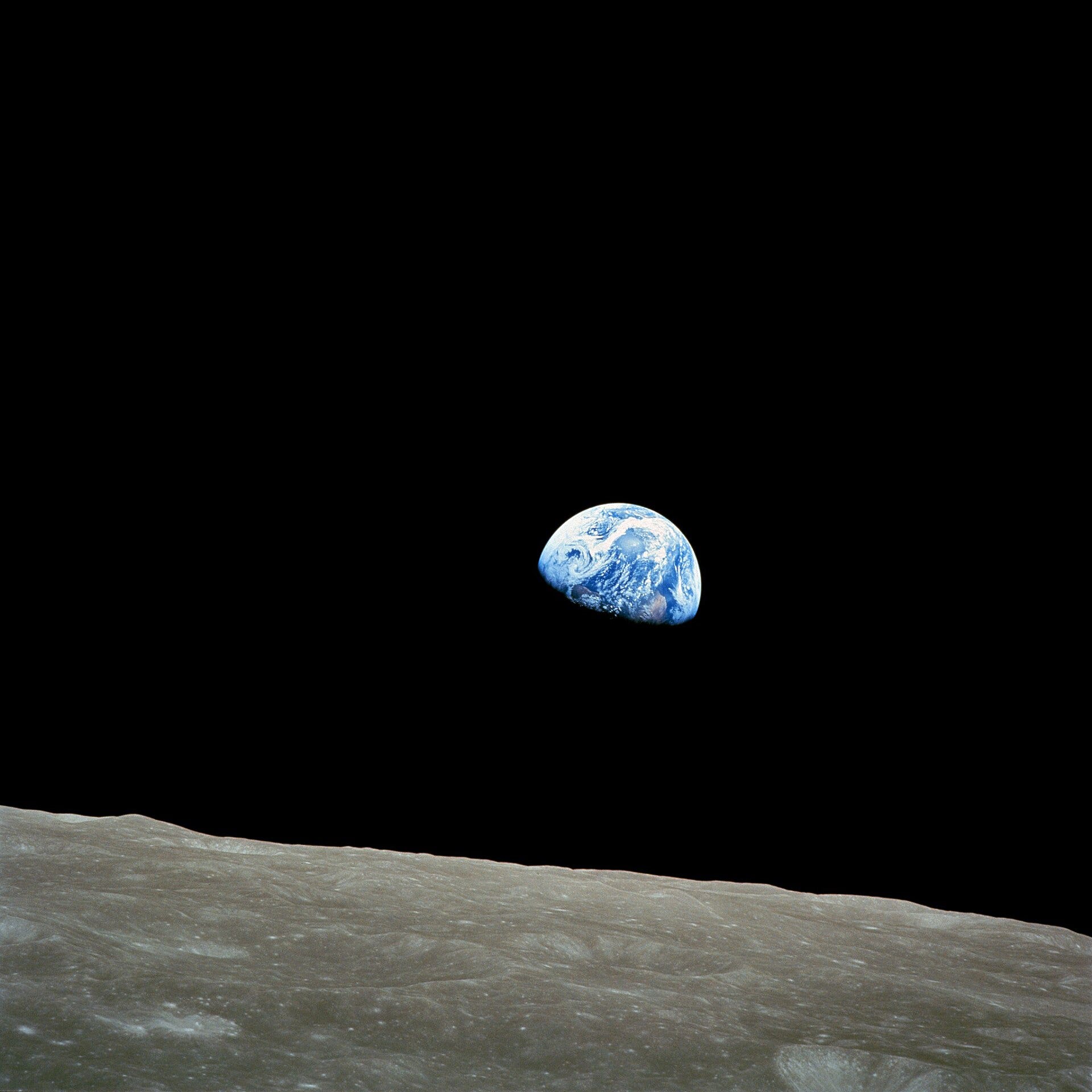
I am neither a rock climber nor an astronaut. But I’m a frequent experiencer of this feeling of wordless wonder, and I hope you are too. Not at the scale of Half Dome or standing on the moon looking back at Earth, but in smaller moments. Maybe while listening to your favorite song on a drive at sunset, during a late-night conversation with a friend, or in the first glimpse of a rainbow after summer rain.
Even if Disclosure Day came tomorrow, we would still be the same strange apes, trying to metabolize reality through flesh and blood. Maybe the question is not whether we can handle the truth, but what we would do with it. Would it make us more fearful? Or would it make us more curious, more empathetic, and ultimately more human?
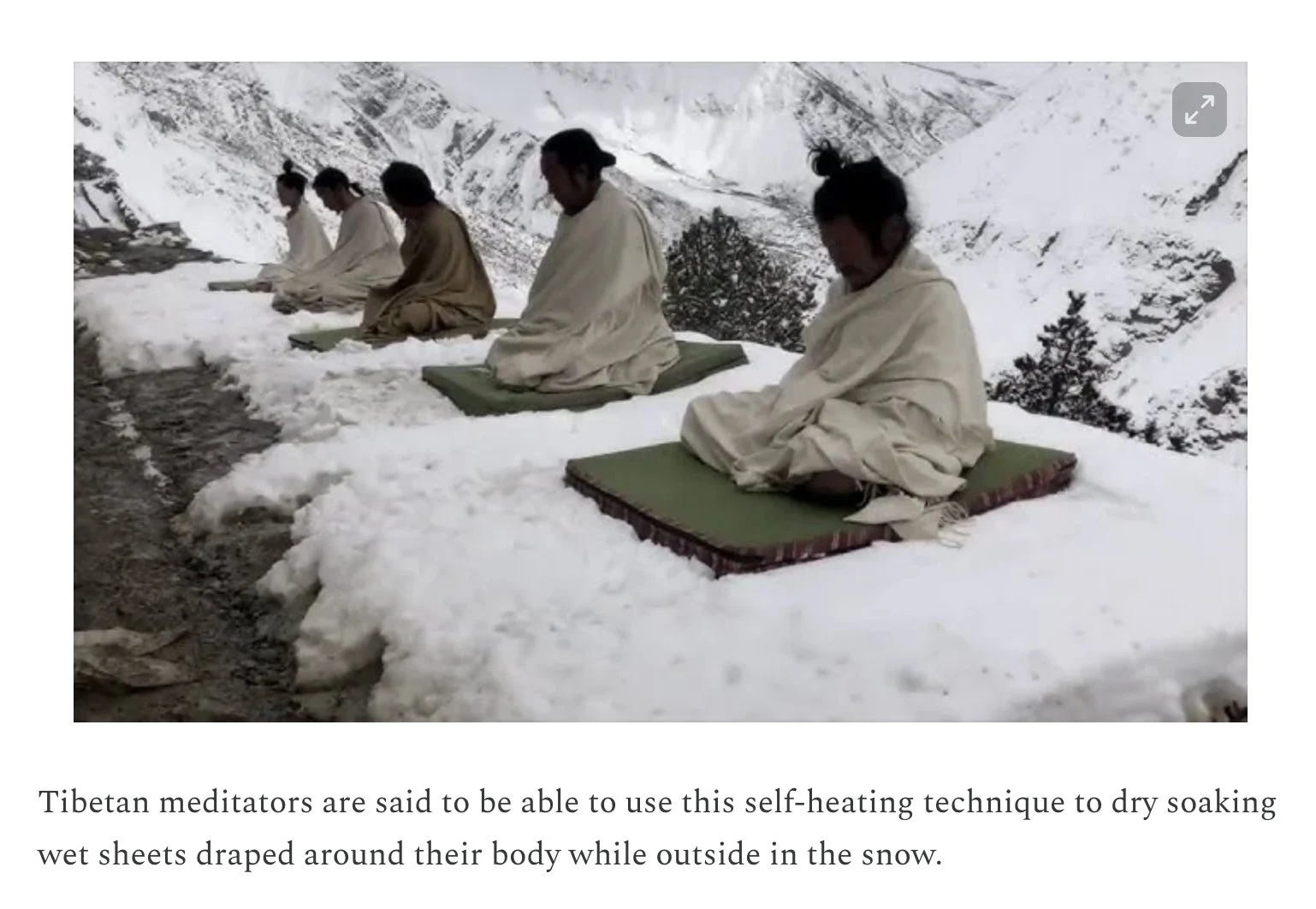
We are capable of so much more than we imagine:
For the uninitiated, the 2020 documentary The Phenomenon is a good starting point.